Skid Steer and Compact Track Loader Financing
Finance skid steers and compact track loaders (CTLs) — with buckets, augers, grapples and attachments. New or used, dealer or private party.
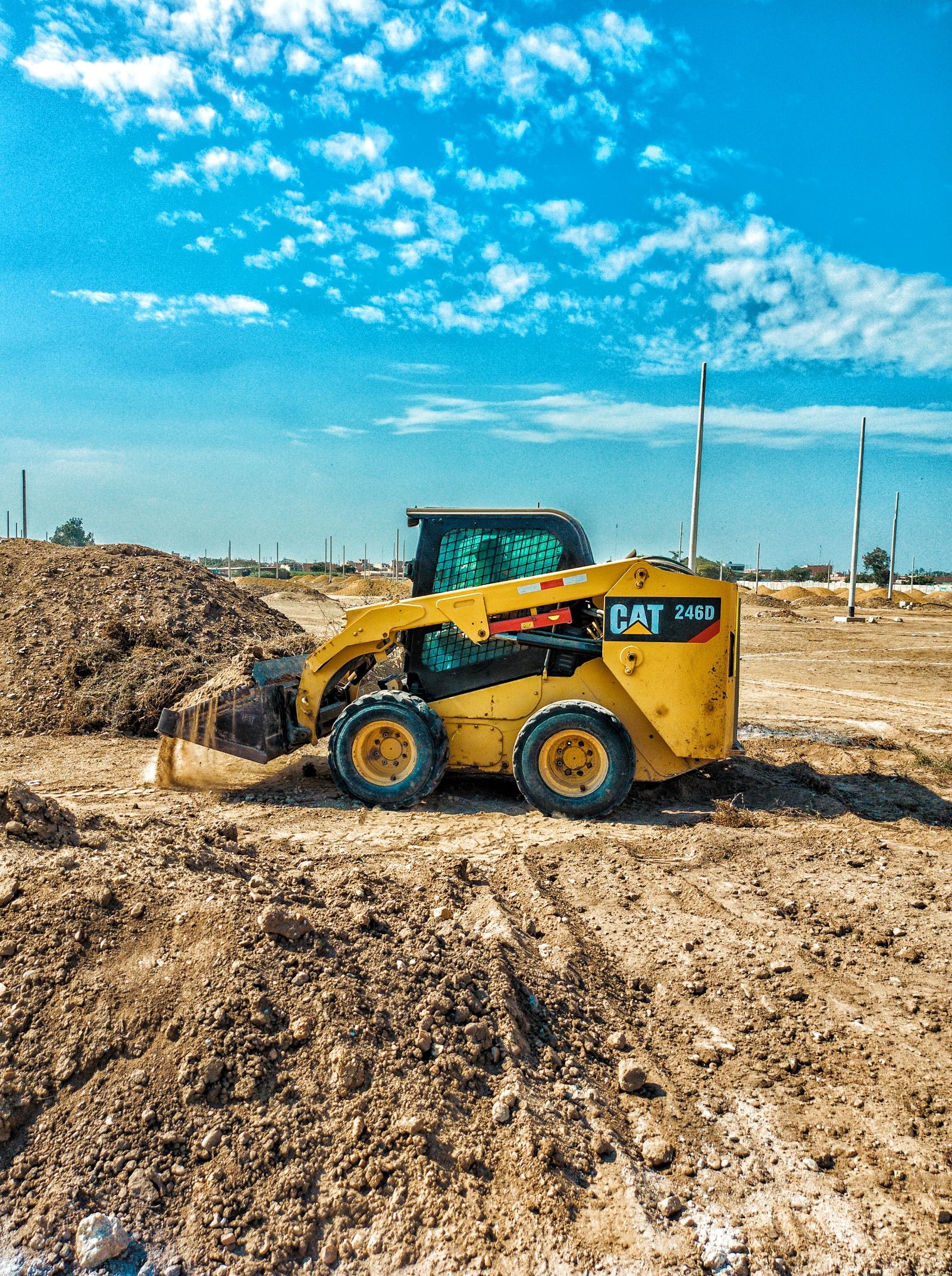
A skid steer is the most versatile machine on a job site. With the right attachments it grades, digs, lifts, hauls, augers, sweeps, and clears, which is why it is often the machine that keeps a small crew productive every single day. MarCom Capital helps contractors finance skid steers and compact track loaders, new or used, along with the attachments and trailer that turn one machine into a full work package.
Skid Steers and Track Loaders We Finance
- Wheeled skid steer loaders, small, medium, and large frame
- Compact track loaders (CTLs) for soft ground, grading, and finish work
- Mini skid steers and stand-on loaders for tight spaces
- Attachments: buckets, pallet forks, grapples, augers, trenchers, mulchers, box blades, brooms, breakers, and tilt attachments
- Equipment trailers to haul the machine and attachments
We finance all major makes from dealers, auctions, and private sellers.
Who Skid Steer Financing Is For
- Landscaping and hardscape contractors
- Grading and site prep contractors
- Concrete and flatwork contractors
- General contractors and remodelers
- Fencing, irrigation, and drainage contractors
- Demolition and cleanup crews
- Snow removal operations that need a year-round machine
What Does a Skid Steer Cost?
Skid steer prices depend on frame size, age, hours, and whether you choose wheels or tracks. Typical 2026 pricing ranges look like this:
- Small-frame skid steers: roughly $40,000 to $60,000 new, and $15,000 to $35,000 used
- Medium and large-frame skid steers: roughly $60,000 to $95,000 new, and $25,000 to $60,000 used
- Compact track loaders: generally priced above comparable wheeled skid steers
Once you add attachments and a trailer, most skid steer deals become a package in the $50,000 to $120,000 range, which is exactly the kind of deal we finance every day.
Why Most Skid Steer Deals Are Packages
A skid steer is really a carrier for tools. The machine alone doesn't do much. The bucket, forks, grapple, auger, or mulcher is what makes it money. That is why the smartest way to finance a skid steer is as a complete package: the machine, the attachments you need for your work, and the trailer to haul it all.
When the attachments and trailer are on the same invoice, they can typically be included in the same financing. You get one approval, one monthly payment, and a complete setup ready to work, instead of paying cash for attachments after you buy the machine.
Skid Steer vs. Compact Track Loader: Which Should You Finance?
Both finance on similar terms because both have strong resale markets. The right choice depends on your work.
A wheeled skid steer is lighter, faster, cheaper to maintain, and easier to haul. Tires are less expensive to replace than tracks, and wheels are better on pavement and hard surfaces. It is often the right choice for concrete, paving cleanup, demolition, and snow work.
A compact track loader spreads its weight over a larger footprint, so it is gentler on finished lawns and works better in mud, sand, and soft ground. It is usually the better choice for landscaping, grading, and finish work. Tracks cost more to replace, so undercarriage condition matters when buying used.
Should You Rent or Finance a Skid Steer?
Skid steers are among the most rented machines in construction, which is exactly why financing one often makes sense. If you are renting a skid steer every week or most months of the year, add up those invoices, including delivery fees and attachment rentals. For many crews, a year of rentals comes close to a year of payments on a machine they would own. Owning also means the machine is ready when you need it, not when the rental yard has one available.
Financing a Used Skid Steer
Used skid steers are one of the most financed used machines because they hold value and are easy to resell. When financing a used skid steer or CTL, lenders look at:
- Hours on the machine
- Track or tire condition
- Age and maintenance records
- Whether the hydraulics, couplers, and controls are in working order
- Seller type: dealer, auction, or private party
For private-party deals, the lender typically verifies the machine and checks for liens before paying the seller. Learn more in our used equipment financing guide.
How Skid Steer Financing Works
Step 1: Apply Online
Our secure application takes about five minutes. Have your business details and the machine, attachments, and trailer information ready if you have them.
Step 2: We Match You With the Right Lender
We review your file and place it with lenders that actively finance compact equipment and fit your profile.
Step 3: Get Approved and Get to Work
After approval and signing, the lender pays the seller directly, and you pick up your package.
What You Need to Qualify
- Personal credit score of 650 or higher
- An established business (newer businesses, ask us about options)
- Revenue that comfortably supports the payment
- Machine, attachment, and trailer details
- Recent business bank statements for larger amounts
See the full breakdown in our heavy equipment financing requirements guide.
Skid Steers and Section 179
A financed skid steer and its attachments can qualify for the Section 179 deduction like a cash purchase. For 2026, the deduction limit is $2,560,000, and equipment must be placed in service by December 31, 2026, to count this tax year. Ask your tax professional how it applies to your business, and see our Section 179 guide.
Skid Steer Financing FAQ
Get the Whole Package Working for You
Machine, attachments, and trailer in one payment. Apply in about five minutes and see what you qualify for.
Apply for Skid Steer Financing
One page. Fast, simple, secure.
Ready to Finance Your Skid Steers?
See what you qualify for — no obligation.